


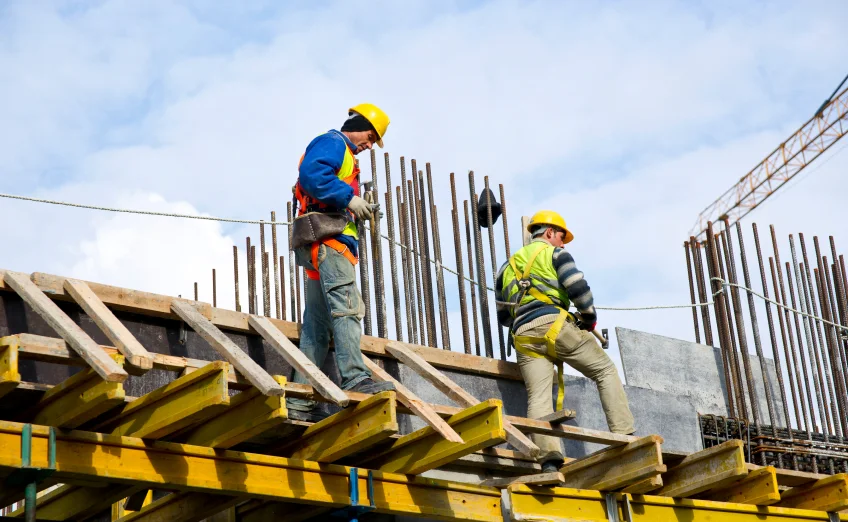
Safety concerns in construction are paramount. The nature of construction work inherently involves various risks, ranging from falls and equipment accidents to exposure to hazardous materials. Therefore, implementing effective strategies for risk mitigation is crucial to ensure the well-being of workers and the success of construction projects. In this blog, we will explore essential strategies and best practices for addressing safety concerns in construction.
1. Prioritize Training and Education
One of the fundamental strategies for mitigating safety risks in construction is to prioritize training and education. Properly trained workers are better equipped to identify potential hazards and adhere to safety protocols. Investing in comprehensive safety training programs can significantly reduce the likelihood of accidents and injuries on construction sites.
2. Develop and Implement Safety Protocols
Developing and implementing robust safety protocols is essential for maintaining a safe working environment in construction. These protocols should address specific hazards commonly encountered in construction activities, such as working at heights, handling heavy machinery, and dealing with electrical systems. Regular review and reinforcement of safety protocols ensure that workers remain vigilant and compliant with safety standards.
3. Conduct Regular Safety Inspections
Regular safety inspections are critical for identifying potential hazards and addressing safety concerns promptly. Conducting thorough inspections of construction sites allows project managers to assess the effectiveness of existing safety measures and implement necessary improvements. By proactively identifying and rectifying safety issues, construction companies can minimize the risk of accidents and injuries.
4. Provide Personal Protective Equipment (PPE)
Personal protective equipment (PPE) plays a vital role in safeguarding construction workers from various hazards. Employers should provide appropriate PPE, such as hard hats, safety goggles, gloves, and high-visibility clothing, and ensure that workers wear them correctly at all times. Additionally, regular maintenance and replacement of PPE are necessary to ensure optimal effectiveness.
5. Promote a Culture of Safety
Creating a culture of safety is essential for fostering a proactive approach to risk mitigation in construction. Employers should encourage open communication about safety concerns and provide avenues for workers to report hazards or near misses. Recognizing and rewarding adherence to safety protocols further reinforces the importance of safety within the organization.
6. Embrace Technology for Safety
Advancements in technology offer innovative solutions for enhancing safety in construction. Utilizing tools such as drones, wearables, and Building Information Modeling (BIM) can provide valuable insights into potential safety risks and streamline safety management processes. Embracing technology enables construction companies to stay ahead of safety challenges and implement proactive measures to protect workers.
7. Collaborate with Stakeholders
Effective risk mitigation in construction requires collaboration among all stakeholders involved in the project, including contractors, subcontractors, suppliers, and regulatory authorities. By fostering open communication and collaboration, construction companies can leverage collective expertise to identify and address safety concerns comprehensively.
8. Stay Updated on Regulations and Best Practices
Construction safety regulations and best practices evolve over time to address emerging risks and improve industry standards. It is imperative for construction professionals to stay updated on relevant regulations and incorporate best practices into their safety management strategies. Regular training and participation in industry events can help ensure compliance with current safety standards.
Conclusion
Addressing safety concerns in construction requires a multi-faceted approach that encompasses training, protocols, inspections, PPE provision, cultural initiatives, technological integration, stakeholder collaboration, and ongoing education. By prioritizing safety and implementing comprehensive risk mitigation strategies, construction companies can create safer work environments, protect workers, and enhance project outcomes. Investing in safety today ensures a brighter and safer future for the construction industry.
Prioritizing safety in construction isn’t just a legal requirement—it’s a moral obligation and a sound business decision. By implementing these strategies and fostering a culture of safety, construction companies can protect their most valuable assets—their workers—and ensure the successful completion of projects while minimizing risks and liabilities.


